

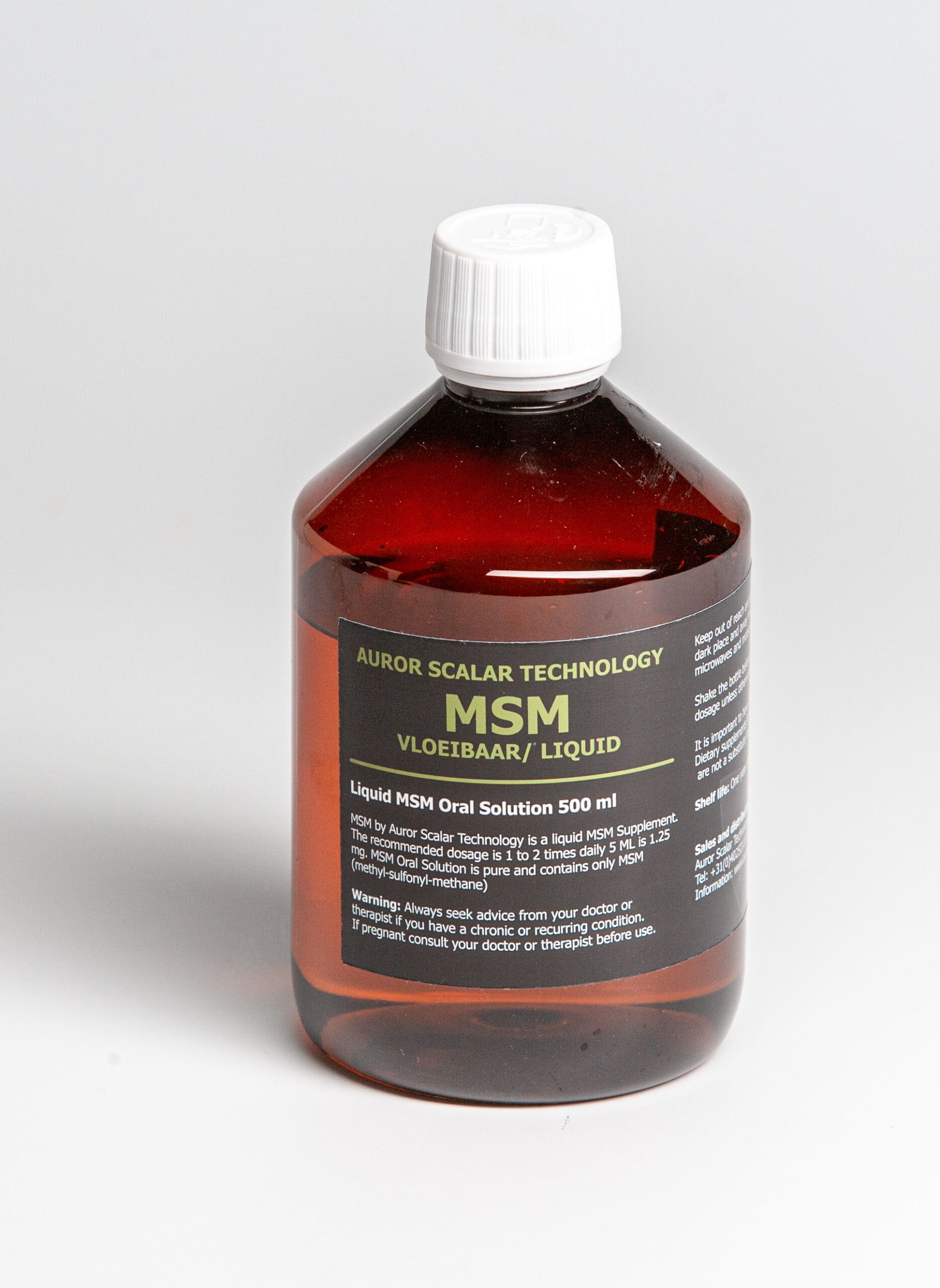
What is MSM
MSM is a sulfur compound that occurs naturally in your body and in plants, foods, and animals. MSM stands for but is sometimes referred to by other names, including:
- Dimethyl sulfone
- Sulfonylbismethane
- Organic sulfur
- Methyl sulfone
- Crystalline dimethyl sulfoxide
MSM compounds are usually man-made and derived from another compound called dimethyl sulfoxide (DMSO). DMSO and MSM were first used in laboratories as solvents, but when scientists experimented with using DMSO as a medicine, they also experimented with MSM. In 1981, Dr. Herschler patented MSM as a treatment to soften and smooth the skin and strengthen nails.
How does MSM work?
Your body uses sulfur to make a protein called collagen and an amino sugar called glucosamine. Both compounds help build and maintain healthy bones and joints. Sulfur also helps make cells called immunoglobulins, which you need for a healthy immune system.
MSM naturally contains a type of sulfur called sulfate, so experts say it is a sulfur donor, meaning it is converted into or adds more sulfur to your body. However, it is not entirely clear how MSM works. Studies show that you absorb MSM quickly throughout your body, although you lose most of it through your urine.
MSM benefits
People take MSM for many conditions. The research supporting its use is promising, but more and larger studies are needed.
MSM is a commonly used supplement for joints and arthritis. Some studies show that it can help relieve joint and muscle pain. So it’s good for people who do a lot of sports.
Another trial study gave patients with knee osteoarthritis MSM or a placebo pill for 12 weeks. About 25 percent of the MSM patients had less pain and better movement and function in the knee. There was no change in joint stiffness.
Another study gave patients a large dose of 6,000 milligrams of MSM for knee osteoarthritis. It reduced pain and helped improve function without side effects. Such studies suggest that it may help, but more research is needed.
May help reduce inflammation
Researchers tested MSM in vitro on immune cells. MSM blocked the growth of cells that cause inflammation and blocked enzymes that create free radicals, unstable molecules that cause physical damage.
In another study, researchers tested the effects of MSM on inflammation after exercise. Some healthy men took MSM supplements for 28 days, while others took a placebo supplement. At the end of the month, each group did a round of intense exercise. Those who took MSM had lower blood levels of inflammation markers immediately after exercise.
May act as an antioxidant
MSM may also act as an antioxidant and help block proteins and enzymes that create free radicals.
May also aid in detoxification
Your body binds sulfur to certain compounds in medications, making them water-soluble and easy to remove through your urine or other methods. This process is called sulfation and is important for some medications such as acetaminophen. Studies show that MSM may contribute to this process and may help detoxify acetaminophen and other toxins, which may be useful in cases of poisoning.
Does MSM have any side effects?
MSM is likely safe to take orally for up to 6 months. However, there is not enough information to know if MSM is safe during pregnancy and breastfeeding, so you should avoid it during these times.
MSM may also cause side effects.
Side effects of MSM supplements may include: Digestive problems, including nausea, diarrhea, bloating, and stomach pain.
Interfering with medication
Dietary supplements may interact with your medication. Although MSM is safe to take, you should talk to your doctor first. MSM may interact with your medication’s detoxification pathways, which may affect your medication. It may also interact with blood thinners, which may increase your risk of bleeding.